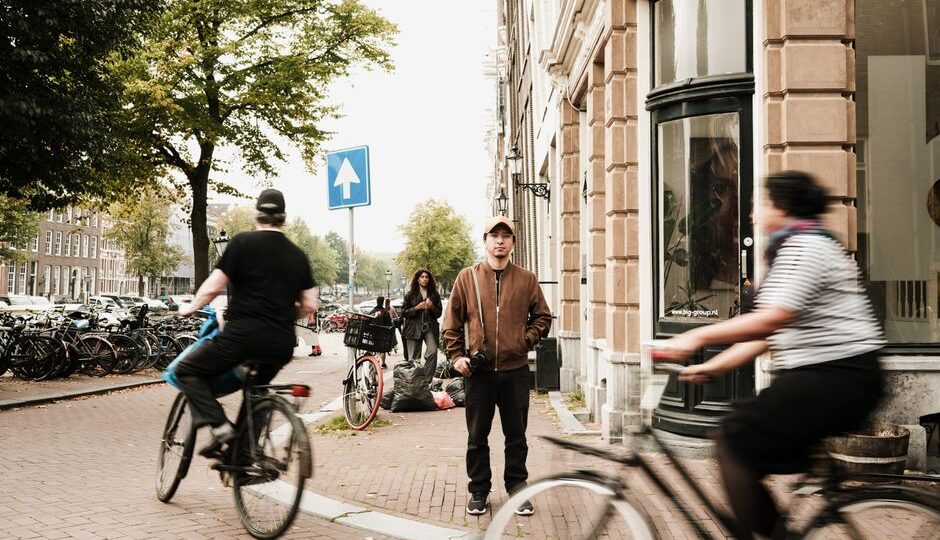
The Shift to Two Wheels
In a world where efficiency often trumps experience, a growing number of urban dwellers in 2026 have found solace and joy in a surprising place: the humble bicycle. Across cities like Amsterdam, Copenhagen, and Portland, cycling has become more than just a mode of transport. It’s a movement. This trend isn’t just about getting from point A to B; it’s reshaping how we connect with our surroundings and each other.
The Health Benefits You Didn’t Know You Needed
We all know cycling is good for the heart, but did you know it’s also a boon for mental health? A recent study from Stanford University found that regular cycling can reduce symptoms of anxiety and depression by over 20%. With the average person experiencing less stress and more happiness, it’s no wonder why cities are investing in bike-friendly infrastructure.
Take Madrid, for instance. The city has added over 200 kilometers of new bike lanes this year alone, resulting in a 15% increase in cycling commuters. Residents have reported being more energized and focused, leading to a noticeable boost in productivity at work.
Community Connections on the Ride
There’s something uniquely communal about cycling. When you’re on a bike, the world feels more open. You’re not just passing through; you’re part of the scenery. This openness fosters connections that cars simply can’t.
In Buenos Aires, the weekly ‘CicloVía’ events have become a staple for community bonding. Every Sunday, streets are closed to vehicles and open exclusively for cyclists, skaters, and pedestrians. Families, friends, and even strangers come together to enjoy live music, food stalls, and the simple pleasure of a leisurely ride. It’s a genuine celebration of urban life, where everyone is welcome.
Environmental Impact: A Breath of Fresh Air
The environmental benefits of cycling are undeniable. With fewer cars on the road, cities are seeing a significant reduction in air pollution and carbon emissions. Data from London shows a 30% decrease in vehicle emissions since 2024, thanks in large part to the city’s aggressive pro-cycling policies.
Paris has taken it a step further by launching a city-wide bike-sharing program, ‘Vélib’ 2.0’, which provides electric bikes for longer commutes. By 2027, the city aims to have 50% of all daily commutes done by bike or on foot. It’s not just a plan; it’s a commitment to a healthier planet.
Practical Tips for Embracing Cycling in Your City
- Start Small: Begin with short rides around your neighborhood to build confidence.
- Invest in a Comfortable Bike: It’s worth getting one that suits your body and commute needs.
- Join a Cycling Group: Many cities have clubs that offer support and community for new cyclists.
- Learn Basic Maintenance: Knowing how to fix a flat or adjust your brakes can save time and money.
- Advocate for Better Infrastructure: Join local efforts to improve bike lanes and parking in your city.
The Practical Takeaway
Embracing cycling isn’t just about swapping gas pedals for pedals. It’s a commitment to a lifestyle that prioritizes health, community, and the environment. As cities continue to evolve, the bicycle stands as a symbol of simplicity and progress. So, whether you’re a seasoned cyclist or just starting out, remember that every pedal stroke brings you closer to a more vibrant, connected, and sustainable world.