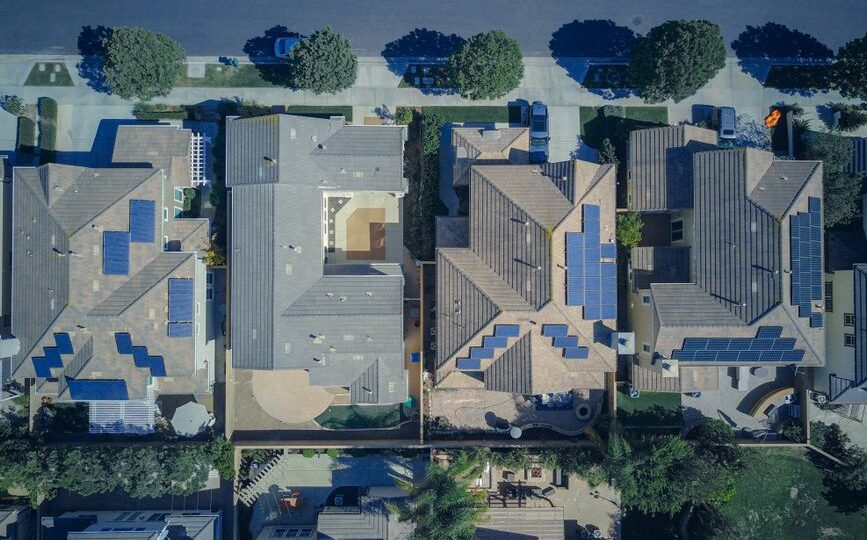
Introduction to Solar-Powered Communities
Imagine waking up to a neighborhood where the morning sun doesn’t just signal a new day, but is also the powerhouse behind your community’s energy. In 2026, solar-powered neighborhoods are not just a futuristic dream, but a thriving reality that’s lighting up lives across the globe. From rural villages to bustling urban areas, solar energy is transforming communities into beacons of sustainability and self-reliance.
The Solar Surge of 2026
What sparked this solar surge? A combination of technological advancements, enticing government incentives, and a growing consciousness about environmental responsibility. By 2026, the cost of solar panels has dropped by an astounding 50% compared to just a decade ago. This affordability, paired with innovative financing options, has made solar power accessible to millions who previously thought it out of reach.
Community Spotlight: Solar Success Stories
- The Green Oasis of Austin, Texas: In the heart of Austin, the Green Oasis neighborhood has become a model for sustainable living. Nearly every rooftop is adorned with sleek solar panels that not only power homes but also fuel community electric vehicle charging stations and power greenhouses for local produce.
- Sunny Fields in Denmark: This small Danish community has taken solar power to new heights by implementing solar-powered streetlights and community centers. Residents have noticed a 30% reduction in their electricity bills and take pride in their contribution to a greener planet.
- Bangalore’s Solar Village: In India, an entire village near Bangalore has gone solar. This transformation has provided them with reliable electricity, enhancing the quality of education and healthcare facilities. The village has become a symbol of energy independence and environmental stewardship.
Challenges and Triumphs
Adopting solar power isn’t without its challenges. Initial setup costs, despite being lower than before, can still be daunting for some. However, community-driven initiatives, where several households or entire neighborhoods pool resources, have proven to be successful models. Moreover, technological innovations, like solar power storage solutions, have addressed concerns about energy availability during cloudy days or nighttime.
Practical Tips for Transitioning to Solar
If you’re inspired to bring solar power to your neighborhood, here are some practical steps to get started:
- Conduct a Solar Feasibility Study: Understanding the solar potential of your area is crucial. Factors like sunlight exposure and local regulations play a significant role in planning.
- Explore Incentives and Grants: Many governments offer tax rebates, grants, or incentives for adopting solar energy. Research what’s available in your area to reduce initial costs.
- Community Collaboration: Consider forming a community solar group. This collective approach can lead to bulk purchase discounts and shared resources.
- Engage with Solar Experts: Consulting with solar energy specialists can provide insights into the best equipment and setup for your specific needs.
The Bright Future of Solar-Powered Living
Solar-powered neighborhoods are more than just a trend; they are a testament to human ingenuity and our commitment to a sustainable future. As more communities embrace solar energy, they not only reduce their carbon footprint but also foster a sense of unity and shared purpose. By 2026, the sun is literally lighting the way to a brighter, cleaner, and more connected world.
So, whether you’re in a sun-drenched desert or a cloudy city, the power of the sun is yours to harness. And with it, the promise of a more sustainable and harmonious way of life.