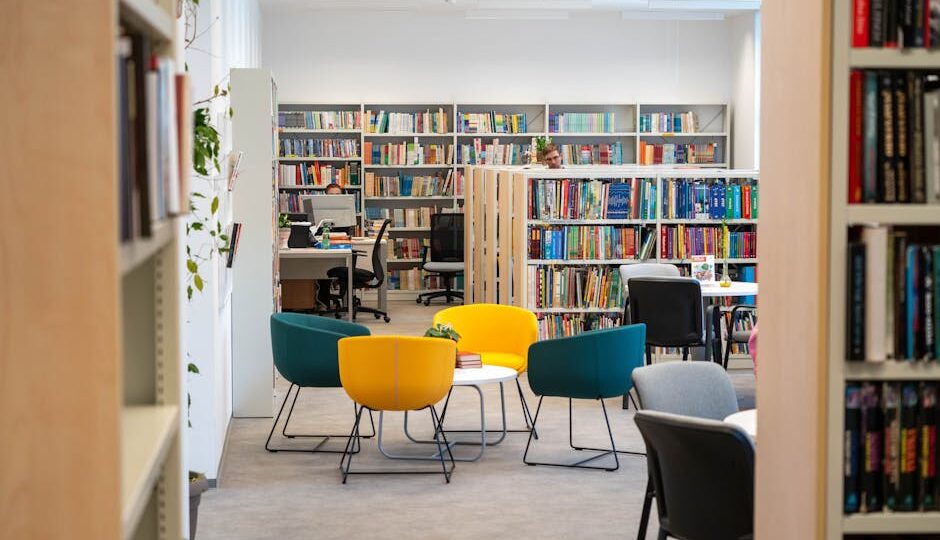
The Quiet Transformation of Local Libraries
Once seen as quiet havens for bookworms and students, local libraries have made an astounding transformation over the past few years. By 2026, libraries have evolved into vibrant community hubs that are revitalizing neighborhoods across the globe. They have become places where people of all ages come together not just to read, but to connect, learn, and create.
In small towns like Ashland, Oregon, the local library has become a lifeline for community engagement. Once plagued by budget cuts, it has now become a bustling space that hosts everything from craft workshops to technology classes. What was the catalyst for this change? A combination of innovative leadership, community involvement, and a profound understanding of the evolving needs of the community.
Innovative Programs That Spark Change
One of the most remarkable shifts has been the introduction of various innovative programs. Consider the Austin Public Library in Texas, which introduced a ‘Library of Things.’ From musical instruments to sewing machines, patrons can check out items that spur creativity and learning. This initiative has not only increased library footfall but has also empowered individuals to explore new hobbies and skills without financial constraints.
Similarly, the New York Public Library rolled out tech literacy programs, offering free coding classes and digital workshops for all ages. In 2026, as the digital divide remains a pressing issue, such initiatives have been pivotal in ensuring everyone has access to the tools and knowledge they need to thrive in a technology-driven world.
Building Bridges and Fostering Connections
Beyond programs and resources, libraries have become crucial in fostering connections within communities. The Chicago Public Library, for example, has introduced ‘Community Conversations,’ a monthly event where locals are encouraged to discuss various community issues. These conversations have led to community-driven solutions and have significantly strengthened neighborhood bonds.
Moreover, libraries have become sanctuary spaces for marginalized groups. The Toronto Public Library has introduced dedicated LGBTQ+ safe spaces, providing a welcoming environment for individuals to express themselves freely and find support networks.
The Role of Technology in Library Revitalization
Technology has played an indispensable role in the modernization of libraries. Many libraries now offer state-of-the-art digital resources that are accessible both physically and online. In a post-pandemic world, hybrid events have become the norm. The San Francisco Public Library, for instance, offers virtual book club meetings that connect members from across the globe.
3D printing services, VR experiences, and digital media labs have also become commonplace. These technological offerings have turned libraries into hubs of innovation and creativity, where patrons are encouraged to experiment and explore.
Practical Takeaway: Embrace Your Local Library
If there’s one thing 2026 has taught us, it’s that libraries are much more than just storage spaces for books. They are dynamic, inclusive, and invaluable assets to our communities. If you haven’t visited your local library recently, you might be missing out on a wealth of resources and opportunities for personal growth and community involvement.
Get involved, participate in events, or simply explore the myriad of resources available. By supporting your local library, you’re not only enriching your own life but also contributing to the vibrant tapestry of your community.