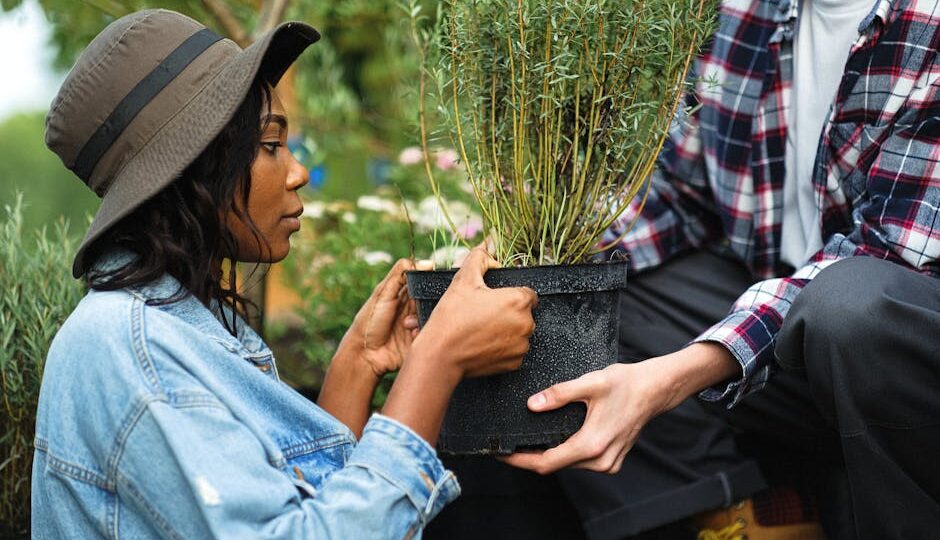
Why Community Gardens Are Blooming in 2026
As the year 2026 unfolds, a delightful trend is taking root across cities and towns worldwide — the rise of community gardens. These vibrant green spaces aren’t just making our urban landscapes more beautiful; they are cultivating connections, sustainability, and a sense of belonging. Let’s dig into the reasons why community gardens are flourishing like never before.
The Rebirth of Urban Green Spaces
In bustling urban areas, where concrete and steel often dominate the skyline, community gardens offer a refreshing splash of color and life. Cities like New York, Tokyo, and London have embraced these green initiatives, transforming vacant lots and underutilized spaces into lush gardens. In New York City alone, there are over 600 community gardens, with more sprouting up each year. These gardens are not just about growing vegetables or flowers; they’re about revitalizing neighborhoods and providing a shared oasis for city dwellers.
People are finding solace in these pockets of nature amidst the urban hustle and bustle. The therapeutic benefits of gardening are well-documented, and community gardens provide a shared space where individuals can unwind, connect with nature, and find peace. In 2026, the importance of mental wellness is more recognized than ever, and community gardens serve as a natural remedy for stress and anxiety.
Fostering Community Connections
Community gardens have become social hubs where neighbors can come together, share stories, and build friendships. In a world where digital interactions often outweigh face-to-face connections, these gardens provide a space for real human interaction. Gardeners of all ages and backgrounds gather to share tips, seeds, and their passion for growing.
In Portland, Oregon, the Lents International Community Garden has been a shining example of multicultural collaboration. Here, people from diverse backgrounds, including recent immigrants, come together to cultivate the land and share their unique agricultural traditions. This exchange of knowledge goes beyond gardening; it fosters understanding and appreciation among different cultures, making the community stronger and more united.
Empowering Local Food Systems
With a growing awareness of food security and sustainability, community gardens play a crucial role in empowering local food systems. They offer a sustainable solution to food deserts — areas where access to fresh produce is limited. By cultivating their own fruits and vegetables, community members can reduce their reliance on supermarket chains and enjoy fresh, organic produce right from their neighborhood.
In Detroit, known for its vibrant urban agriculture scene, community gardens have been instrumental in addressing food insecurity. The city now boasts over 1,500 urban gardens and farms, providing residents with both fresh food and educational opportunities about sustainable farming practices. This grassroots movement is not only feeding families but also inspiring future generations to embrace a more sustainable lifestyle.
Environmental Benefits and Biodiversity
Community gardens contribute significantly to environmental health, offering numerous ecological benefits. They promote biodiversity by providing habitats for various species of insects, birds, and small mammals. These gardens also help improve air quality and reduce urban heat, as plants and trees cool the environment and filter pollutants.
In Singapore, a city known for its commitment to sustainability, the Edible Garden City project has transformed unused urban spaces into flourishing gardens. These spaces not only enhance the city’s green cover but also support pollinators like bees and butterflies, which are crucial for maintaining healthy ecosystems. Community gardens, therefore, play a vital role in urban resilience and ecological balance.
Educational Opportunities and Skill Building
Community gardens double as classrooms, offering educational opportunities for people of all ages. Schools often partner with local gardens to teach students about biology, nutrition, and environmental science. These hands-on experiences are invaluable, fostering a deeper understanding of where food comes from and the importance of caring for our planet.
In Toronto, the Evergreen Brick Works community garden hosts workshops and events that teach essential gardening skills. From composting to seed saving, these initiatives equip participants with the knowledge to grow their own food and support sustainable practices at home. The skills learned in community gardens extend beyond gardening, instilling a sense of responsibility and empowerment in individuals.
Practical Takeaway: How to Get Involved
For those inspired to join this blooming movement, getting involved in a community garden is easier than you might think. Start by researching local gardens in your area — many cities have online directories or community boards with information on volunteering opportunities. Reach out to garden coordinators to learn how you can contribute, whether it’s through planting, maintenance, or participating in events and workshops.
Community gardens offer more than just a chance to grow plants; they provide an opportunity to nurture relationships, learn new skills, and contribute to a healthier, more connected community. As these gardens continue to thrive in 2026, they remind us of the power of collective action and the simple joys of tending to the earth together.