The Rise of Gratitude Practices
Gratitude has become more than just a fleeting thought as we drift off to sleep. In 2026, it’s a movement. People across the globe are embracing the power of thankfulness, leading to a profound shift in how we perceive our lives and interact with each other. But what makes gratitude so powerful? It’s all about perspective. When we focus on the good, no matter how small, we open our hearts to joy and contentment, creating a ripple effect that touches every aspect of our lives.
Gratitude Circles: Creating Community Bonds
In cities like Austin and Portland, gratitude circles are popping up in community centers and parks. These gatherings offer a space for people to come together and share what they’re thankful for. Participants often describe a deep sense of connection and improved mental well-being. One participant, Sarah, a 34-year-old teacher from Austin, shared, “It’s like a collective exhale. We all realize we’re not alone in our struggles, and there’s so much beauty in that realization.” These circles are not just about sharing; they’re about listening, learning, and growing together.
Gratitude Journals: A Personal Journey
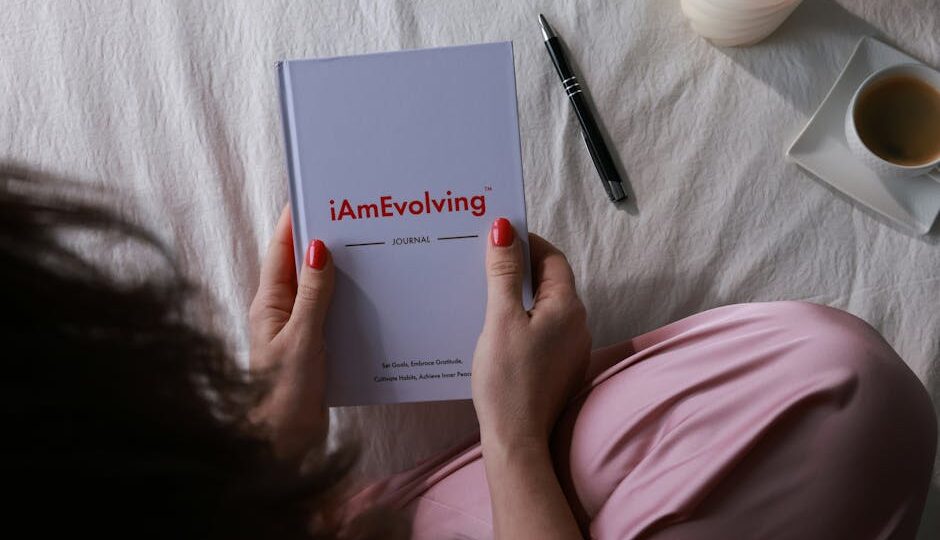
While gratitude circles foster community, gratitude journals offer a personal, introspective journey. According to a recent study by Stanford University, people who keep a gratitude journal three times a week for just five minutes a day report a 25% increase in happiness and a decrease in depressive symptoms within six months. The simple act of writing down three things you’re grateful for can shift your mindset dramatically. Whether it’s the warmth of the morning sun or the kindness of a stranger, capturing these moments helps us appreciate life’s simple pleasures.
The Workplace Gratitude Challenge
Businesses are catching on too. In 2026, corporations like Google and Patagonia have implemented workplace gratitude challenges. These initiatives encourage employees to express daily gratitude towards their colleagues, fostering a more supportive and positive work environment. The results? A remarkable increase in employee satisfaction and productivity. Jane, a project manager at Google, remarked, “It’s amazing how a simple ‘thank you’ can change the dynamics of a team. We’re more collaborative and less stressed.”
The Science Behind Gratitude
Science backs up what many of us are experiencing. Neuroscientists have found that practicing gratitude regularly can rewire the brain, enhancing emotional resilience and reducing anxiety. Dr. Emily Wilson, a leading neuroscientist at Harvard, explains, “Gratitude engages the brain in a way that amplifies positive emotions and reduces the focus on negative experiences.” It’s a powerful tool that can help us navigate life’s ups and downs with greater ease and joy.
Practical Takeaway: Start Your Gratitude Journey Today
Ready to embrace the gratitude revolution? Start small. Dedicate a few minutes each day to reflect on what you’re thankful for. Join a gratitude circle or start one in your neighborhood. Encourage gratitude practices at work to create a more harmonious environment. Remember, gratitude is contagious. The more we practice it, the more it spreads, transforming our lives and the lives of those around us in unexpected ways.