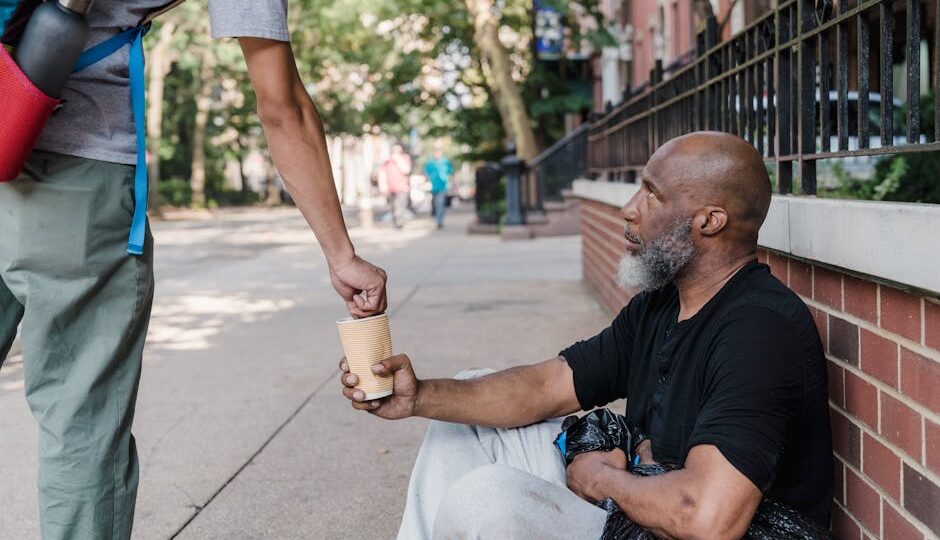
The Ripple Effect of Kindness
In a bustling cafe on New York’s Upper West Side, a young woman named Mia decided to pay for the coffee of the person behind her. This seemingly small act set off a chain of generosity, moving through the line and even spilling out onto the street, where a young man offered his umbrella to a stranger caught in the rain. These random acts of kindness have a way of spreading joy far beyond their initial impact, creating ripples that can reach places we may never see.
Psychologists have found that witnessing or participating in acts of kindness releases oxytocin, known as the ‘love hormone’, and reduces blood pressure, creating a healthier, happier society. Just imagine the possibilities if more of us engaged in such acts every day.
Building Community Bonds
In Toronto, a community initiative called ‘The Kindness Project’ encourages citizens to perform unplanned good deeds. Whether it be shoveling a neighbor’s driveway during the harsh Canadian winter or anonymously leaving a heartfelt note on a stranger’s windshield, these actions foster a sense of community and belonging.
By regularly engaging in these acts, people begin to see each other as part of a larger family, bound not by blood but by shared humanity. This can be especially vital in urban areas, where hustle and bustle often overshadow genuine human connections. In places like Toronto, where over 50% of the population is born outside Canada, these acts of kindness help bridge cultural gaps and create a more inclusive society.
Economic Benefits of Kindness
While the emotional and social advantages are clear, random acts of kindness can also have economic benefits. Consider the story of a small-town bakery in Asheville, North Carolina, where customers began a pay-it-forward system. Patrons would leave extra money for those who couldn’t afford their next meal. This initiative not only helped those in need but also boosted the bakery’s sales by 20% within the first month.
Such acts encourage a cycle of support vital for local businesses, especially in a world increasingly dominated by large corporations. Supporting small enterprises through kindness can lead to thriving local economies and sustainable community growth.
Educational Lessons in Kindness
In schools across Finland, kindness is part of the curriculum. Children are taught the value of empathy and compassion through structured activities and spontaneous acts. A study conducted in 2024 showed that schools incorporating kindness programs saw a 30% reduction in bullying incidents.
Teaching children the importance of kindness not only makes schools safer but also prepares future generations for a more compassionate world. By instilling these values early on, we can hope for a society where kindness is a fundamental norm.
Kindness and Mental Health
Acts of kindness can have profound effects on mental health, both for the giver and the receiver. In 2025, the University of California, Berkeley conducted a study revealing that people engaged in regular acts of kindness reported a 25% increase in life satisfaction and a significant reduction in symptoms of depression and anxiety.
For someone struggling with mental health, even a small gesture, like a smile from a stranger or a sincere compliment, can be a beacon of hope. These acts remind individuals that they are seen and valued, which can be a powerful antidote to feelings of isolation.
Practical Tips for Spreading Kindness
Here are some simple ways you can bring more kindness into your day-to-day life:
- Start a ‘kindness jar’: Every time you perform or witness an act of kindness, write it on a piece of paper and put it in the jar. At the end of each month, read the notes to see how far your kindness has spread.
- Set a daily kindness reminder: Use your phone or a sticky note to remind yourself to do something kind each day. Whether it’s complimenting a colleague or holding the door for someone, these small actions add up.
- Join a community initiative: Participate in local groups focused on kindness, such as volunteering at a food bank or a community garden. These activities not only help others but also foster a greater sense of community.
These simple actions can significantly impact those around you, creating a cycle of positivity and goodwill that benefits everyone involved.