Understanding Happiness: The Nordic Promise
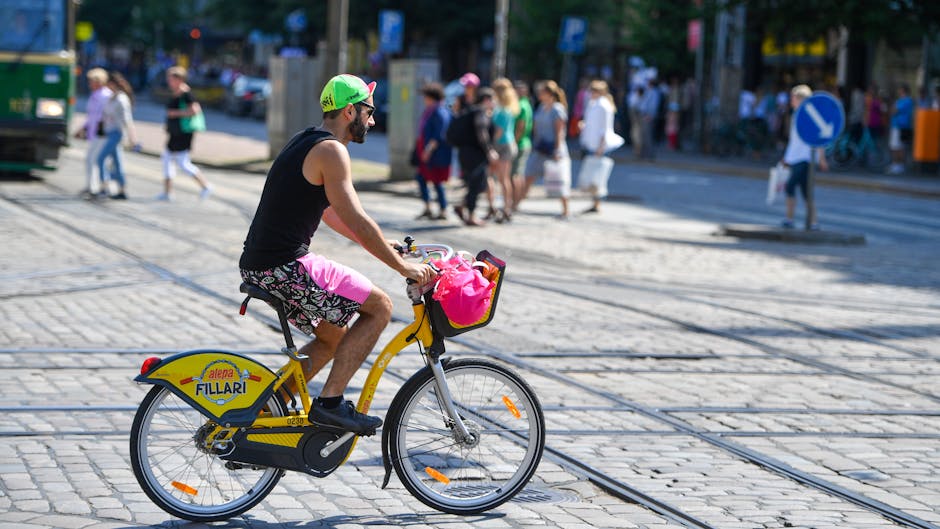
According to the World Happiness Report 2026, Finland continues to top the list as the happiest country in the world. For the sixth year in a row, this Nordic nation has captivated researchers and curious minds alike. What makes Finland so consistently joyful? The secret might lie in something called sisu. This Finnish concept encompasses resilience, determination, and purpose, showing that true happiness thrives in a culture that values persistence and community.
Denmark and Iceland also remain at the top, each offering unique lessons. In Denmark, the concept of ‘hygge’—a term that conveys coziness and contentment—has become an integral part of everyday life. Iceland, meanwhile, celebrates its stark beauty and close-knit community bonds, emphasizing the importance of nature and human connections.
Japan’s Minimalist Approach
Jumping across the globe, Japan’s innovative approach to happiness is rooted in minimalism. By focusing on simplicity and decluttering, both in physical spaces and mental ones, the Japanese have found joy in less. This cultural shift towards valuing experiences over possessions has contributed to their rising happiness ranking in 2026.
Japanese gardens, meticulously designed to promote peace and reflection, are a testament to this philosophy. The practice of kanso, which means simplicity, is embraced across generations. This love for simplicity not only reduces stress but encourages a deeper appreciation for the small things in life.
Community and Compassion in Costa Rica
Costa Rica’s tagline, “Pura Vida,” perfectly encapsulates its approach to life. Often translated as “pure life,” this phrase is more than just a saying—it’s a way of life. Costa Ricans prioritize sustainability, family ties, and social networks, and their efforts have not gone unnoticed. In 2026, Costa Rica remains a leader in the Latin American happiness rankings.
With a focus on renewable energy and a commitment to preserving their rich biodiversity, Costa Ricans have shown the world that happiness and environmental stewardship can go hand in hand. Their vibrant communities exemplify a balance of work and leisure, and their stress-free lifestyle serves as an inspiring model for others.
New Zealand’s Nature Connection
Nature plays a pivotal role in New Zealanders’ happiness. The breathtaking landscapes are not only stunning to behold but also serve as a playground for outdoor enthusiasts. Kiwis have long understood the mental health benefits of being close to nature, and they are keen advocates for outdoor activities and environmental conservation.
The Maori concept of whānau, or family, extends beyond blood relatives to include extended family and community. This sense of belonging and responsibility to one another and the land fosters deep-rooted happiness.
Bhutan: Gross National Happiness
Speaking of happiness, we can’t ignore Bhutan, a nation that measures its success through Gross National Happiness rather than GDP. This holistic approach considers economic, environmental, spiritual, and social wellbeing, offering a refreshing perspective on what it means to prosper.
In 2026, Bhutan’s focus on education, healthcare, and cultural preservation continues to thrive. Its commitment to maintaining harmony between tradition and modernization provides a rich example of why this small Himalayan kingdom consistently inspires global admiration.
Takeaway: Your Own Path to Happiness
These countries offer valuable insights into the diverse paths to happiness. While their approaches vary, common themes of community, simplicity, and a deep connection with nature prevail. The good news? You can incorporate these lessons into your daily life. Embrace the Finnish concept of sisu by setting meaningful goals. Follow Japan’s minimalist approach by decluttering your life. Cultivate community ties in true Costa Rican fashion, or reconnect with nature like a Kiwi.
Happiness is not a one-size-fits-all formula, but with the right mix of inspiration and action, you can create your version of a joyful life.